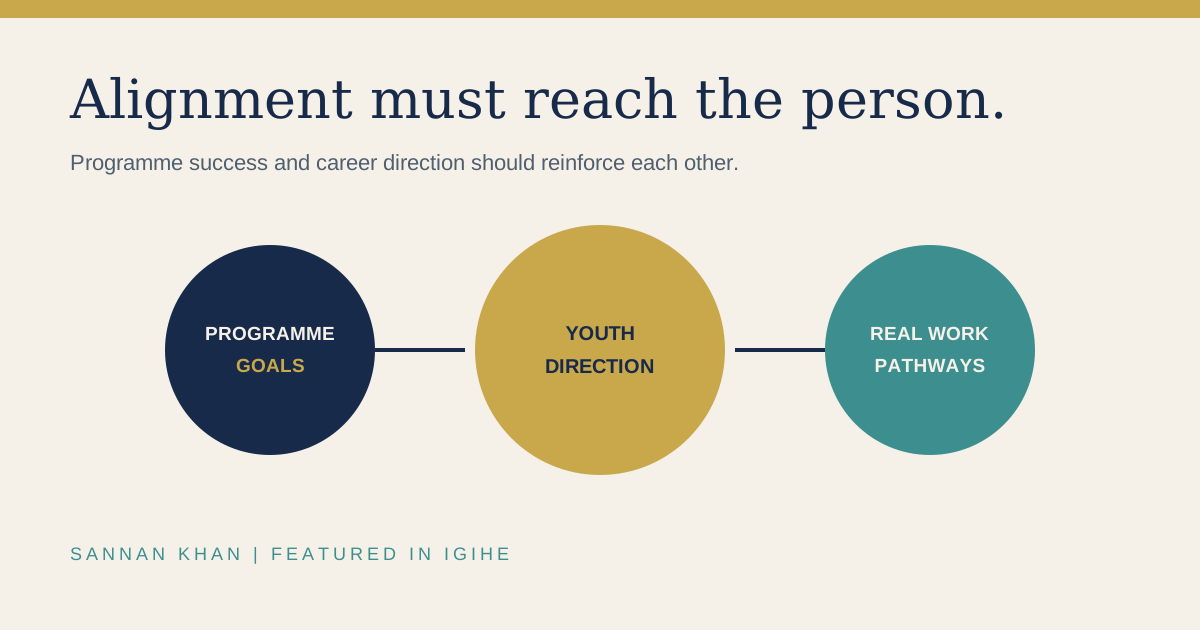
This page introduces Sannan Khan's opinion published by IGIHE. The full article remains with the original publisher. This summary highlights the question it raises for donors, NGOs, universities, and youth programs.
It means helping participants connect training and program activity to a realistic direction: the work they are preparing for, the evidence they need to build, and the next transition they must be ready to make.
Program alignment is not enough on its own
Donors and delivery partners can align budgets, reporting, outcomes, and implementation calendars while participants remain unclear about how the program connects to their own future. Completion then becomes the visible success measure even when career movement remains uncertain.
A stronger model asks what participants understand about their strengths, responsibilities, opportunities, and next steps. It treats direction as part of employability rather than assuming skills automatically produce a career.
What organizations can add
Career mapping, workplace expectations, mentoring, evidence-building, and transition planning can sit alongside technical training. These additions help young people interpret the opportunity, not merely attend it.