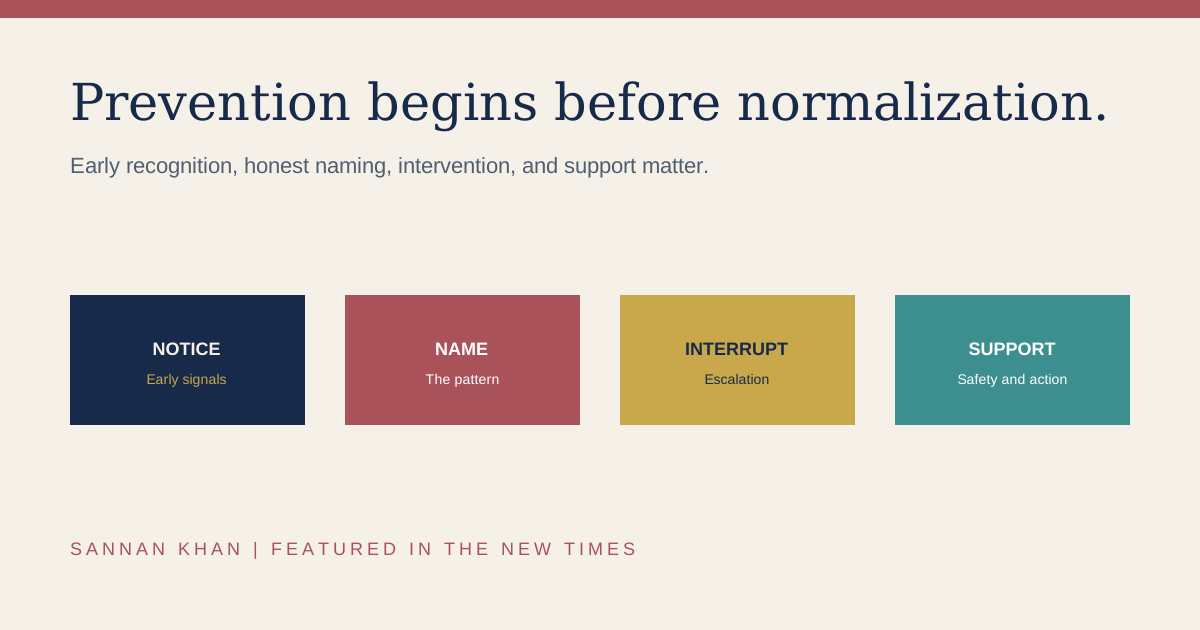
This page introduces Sannan Khan's opinion published by The New Times on August 3, 2026. The complete article remains on the publisher's website. This summary connects its prevention argument to related educational resources.
Because harmful patterns can become harder to challenge when families, communities, and institutions repeatedly minimize warning signs. Prevention requires people to recognize, name, and respond before escalation is treated as normal.
Law and culture must move together
Formal commitments create an important standard, but daily prevention also depends on what people tolerate, excuse, or interrupt. Silence, normalization, and delayed response can allow harm to deepen before support becomes available.
Early prevention does not mean assigning blame without evidence. It means taking warning signs seriously, creating safer routes to support, and ensuring that responsibility is not shifted onto the person experiencing harm.
Clarity has limits in safety matters
Educational frameworks can help people recognize patterns and ask better questions, but they are not a substitute for emergency assistance, licensed clinical support, legal advice, or specialist safeguarding services. Anyone facing immediate danger should contact appropriate local emergency and protection services.